All articles containing the tag [
Korean Network
]-

Comparing The Stability And Compliance Of Domestic Korean IP Native IPs
Professionally compares the differences between domestic proxy Korean IPs and native Korean IPs in connection stability, IP authenticity, legal compliance, and operational risks, and provides practical implementation recommendations.
Domestic Proxies For Korean IPs Native Korean IPs Stability Compliance And Cross-border Network Comparisons -

This Tutorial Teaches You How To Check The IP Address And Location Methods For Google Servers In Korea
This tutorial teaches you how to find and locate Google servers in Korea, introduces practical tools such as DNS, traceroute, GeoIP, WHOIS, and compliance considerations, suitable for network operations and SEO optimization needs.
South Korea Google Google Server IP Query Location Tutorial DNS Traceroute GeoIP WHOIS AS -

Migration Process And Data Integrity Verification Steps After Purchasing A Korean Site Cluster
This article provides professional and actionable recommendations for preparation, migration, verification, and live monitoring of Korean site clusters after purchasing migration and data integrity verification, suitable for sites seeking stable operation in the Korean market.
Korean Site Networks Site Network Migration Data Integrity Verification SEO Korean Servers URL Rewriting Data Backup -

How To Monitor The Real-time Status Of The Korean Server Network Address Through Tools
This article introduces how to monitor the real-time status of Korean server network addresses through tools, covering monitoring indicators, tool selection, deployment methods, alarm configuration and troubleshooting, and is oriented to operation and maintenance and SEO optimization needs.
Korean Server Monitoring Network Address Real-time Status IP Status Monitoring Delay Monitoring Packet Loss Rate BGP SNMP -

How Can Businesses Evaluate The Stability Of VPS Services And After-sales Support Standards In South Korea?
Practical Guide for Businesses: Systematically evaluate the stability and after-sales support standards of Korean VPS providers, including key metrics, testing methods, SLAs, and localized support, to help businesses make reliable choices.
Korea VPS Stability After-sales Support Enterprise Evaluation KoreaVPS VPSSLA Bandwidth Connectivity Backup And Disaster Recovery -

Explanation Of Technical Details For Building Exclusive Korean-origin IPs, Including NAT Routing And Port Mapping Settings
A professional explanation of the technical details for setting up exclusive Korean-native IPs, covering network topology, NAT routing (SNAT/DNAT), port mapping settings, troubleshooting, and suggestions for optimizing security performance. Suitable as a reference for operations and development teams.
Native Exclusive IPs In South Korea Setup Of Native Exclusive IPs NAT Routing Port Mapping PortForwarding Network Planning South Korean IP Technology -

Comparing Domestic And International Solutions: The Cost-effectiveness Of VPS For Private Cinemas In Japan
It compares the performance, latency, bandwidth, compliance, and cost-effectiveness of Japanese home theater VPS solutions from both domestic and international perspectives, helping users determine the cost-performance ratio and deployment recommendations.
Comparison Of Cost-performance Of VPS For Private Cinemas In Japan Both Domestically And Internationally: Latency Bandwidth Compliance Privacy -

Detailed Explanation Of The Hardware And Bandwidth Requirements For Building A Korean Pubg Server
for technicians who want to deploy playerunknown's battlegrounds (pubg) servers in south korea, it provides a detailed explanation of key points such as server hardware (cpu, memory, storage) and network bandwidth, latency, packet loss, protection and computer room selection to facilitate performance planning and scalability design.
Korean Pubg Server Hardware Bandwidth Requirements Cpu Memory Storage Bandwidth Delay Ddos Computer Room -
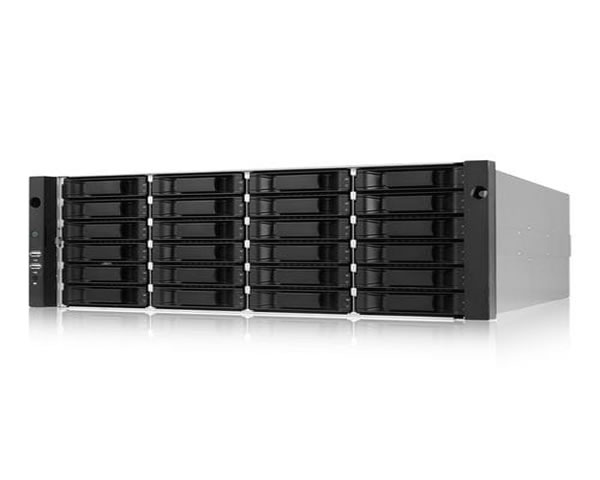
Deployment Guide: How To Properly Open And Monitor Korean Server Port 81 Under Firewall Policies
A deployment guide for South Korean server port 81, explaining how to correctly open ports, configure access control, implement log monitoring and alerts under firewall policies, balancing accessibility and security.
Korean Servers Port 81 Firewall Port Opening Port Monitoring Deployment Guide Network Security Access Control Log Alerts